Winning More Competitions with Bridge Games Practice
22 July 2026 | 42
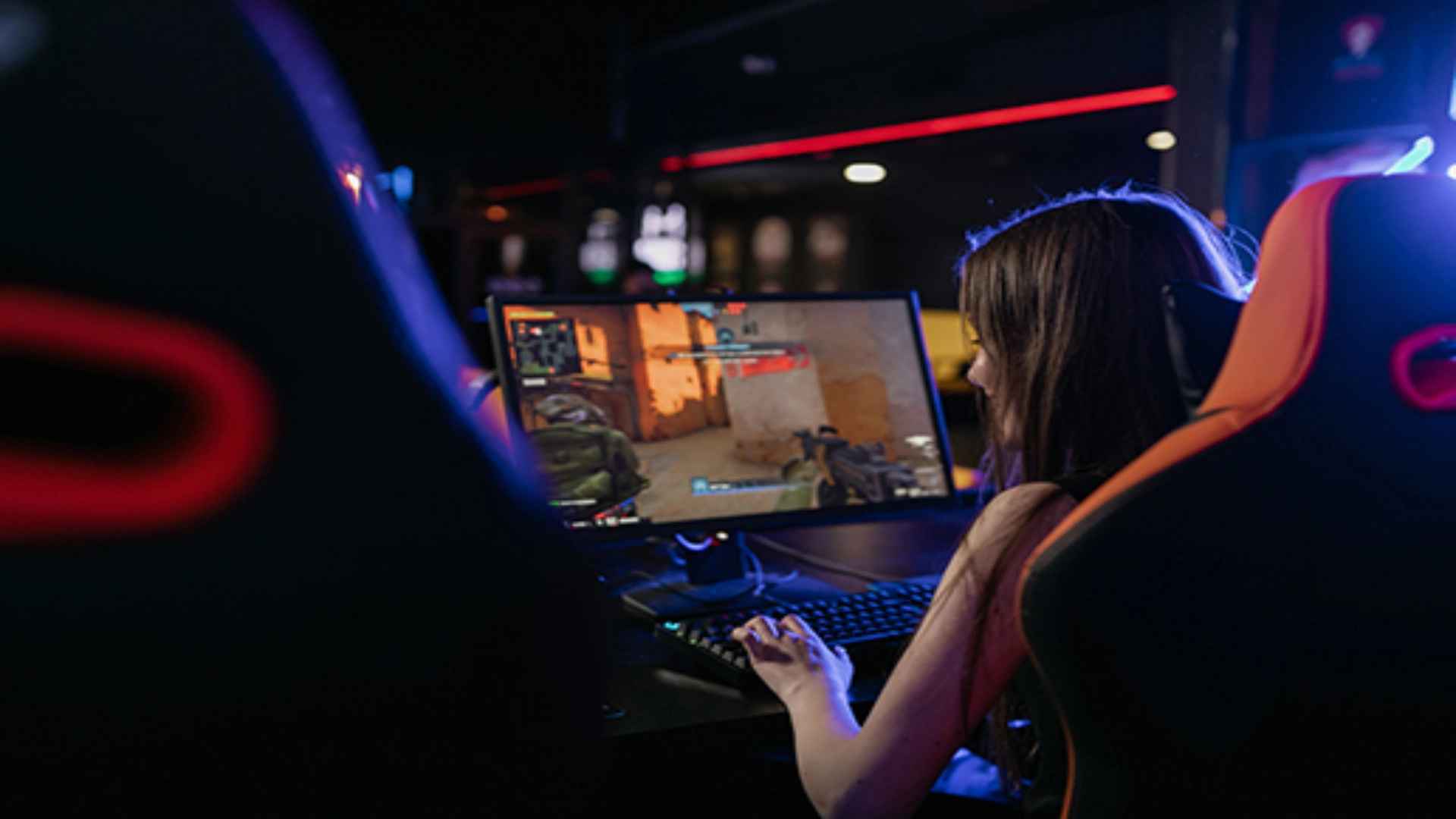
Succeeding in competitive duplicate bridge tournaments requires much more than a basic understanding of trick-taking mechanics. Regular practice sessions allow players to refine their tactical foresight and eliminate costly unforced errors at the table. By committing to structured rehearsal, partnerships can drastically improve their performance and secure higher rankings in local and national events.
The Value of Deliberate Practice
Casual games often fail to prepare enthusiasts for the high-pressure environments found in professional tournaments. Deliberate practice focuses on isolated scenarios, such as tracking specific suits or defensive signaling methods. This rigorous approach helps players internalize complex mathematical probabilities until they become second nature.
Simulating tournament conditions during preparation also builds mental stamina and emotional resilience. Over time, these routines reduce anxiety, allowing players to focus entirely on reading opponents and calculating remaining card distributions. Serious card game competitors frequently look for platforms like M88 Mansion to discover strategic guides that sharpen their logic and deduction skills.
Refining Partnership Conventions
Bridge is fundamentally a cooperative mind sport where individual talent must align perfectly with a teammate's strategy. Regular practice provides the perfect opportunity to review bidding systems and establish clear, unambiguous agreements. When partners understand each other's responses intuitively, they minimize misunderstanding during critical auction phases.
Post-match analysis is equally essential for discovering structural flaws in communication networks. Reviewing problematic hands together helps partnerships develop mutual trust and shared strategic frameworks. This continuous alignment ensures that both players remain on the same page during complex defensive maneuvers.
Mastering Advanced Card Play
Winning tough matches consistently requires transitioning from basic card counting to sophisticated declarer execution. Developing a sharp eye for early finesse opportunities and trump management can transform a difficult contract into a winning score. Regular rehearsal allows players to test diverse offensive approaches without risking tournament points.
Defensive play also benefits significantly from routine exercises focusing on opening leads and second-hand low combinations. Anticipating the hidden hands of adversaries becomes much easier when players recognize common distribution patterns. Ultimately, regular simulation prepares the mind to seize unexpected tactical openings during live matches.